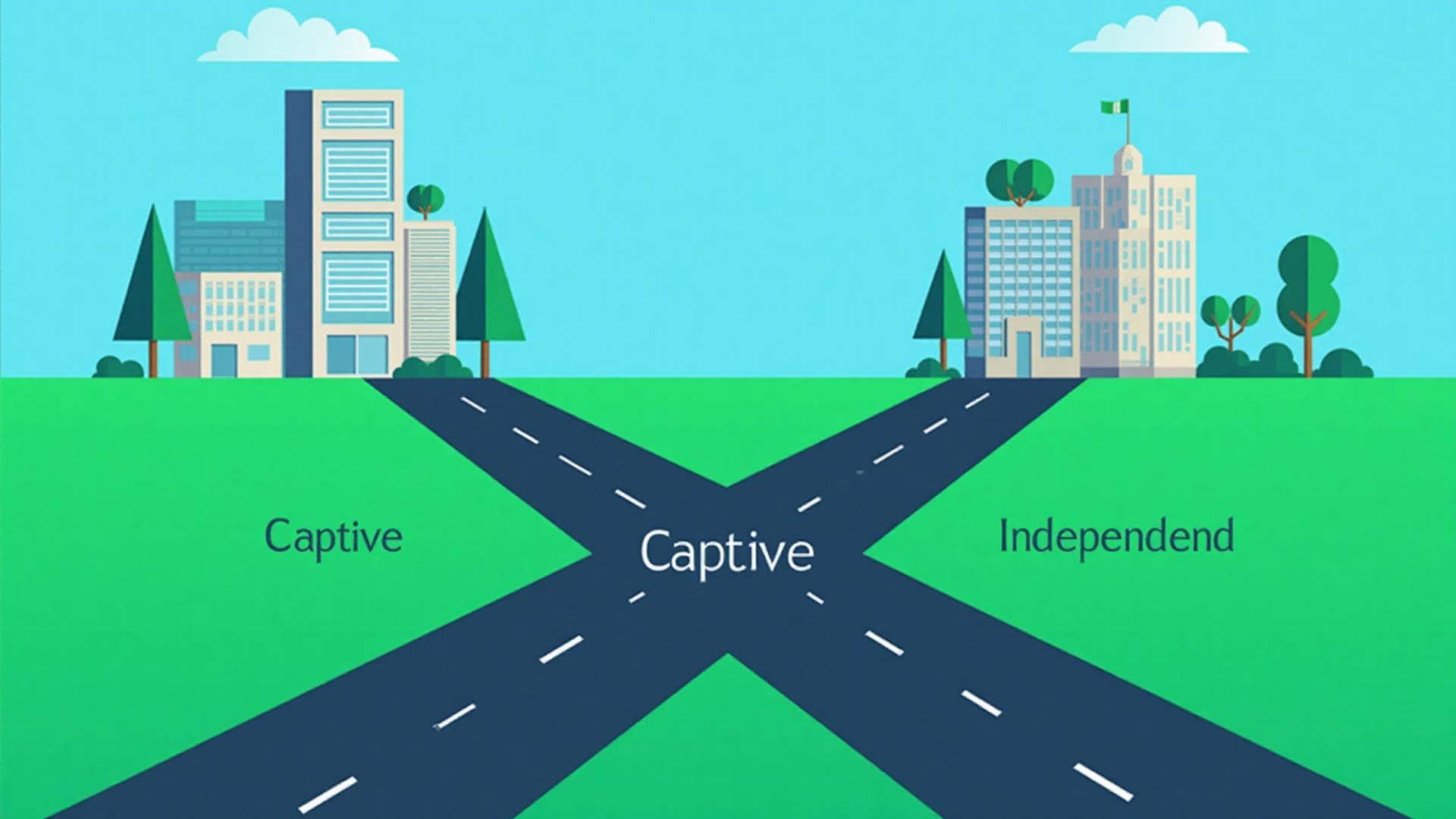
I have done both. I sold insurance face-to-face at kitchen tables before I built The Price Group around telesales. I know what it is like to drive 90 minutes one way to sit with a prospect who forgot you were coming. And I know what it is like to close a $1,200 annual premium policy in 22 minutes from my home office while wearing shorts.
Both models work. Both produce top earners. But they are fundamentally different businesses with different costs, different lifestyles, and different ceilings. This is the honest comparison nobody in the industry gives you because most IMOs and FMOs are committed to one model and have a financial incentive to tell you theirs is the only one that works.
Key Takeaways
- Telesales agents can have more conversations per day than face-to-face agents because there is no drive time between prospects
- Face-to-face close rates per appointment tend to be higher; telesales offsets that with volume
- Telesales has dramatically lower operating costs (no gas, no car maintenance, no windshield time)
- Face-to-face can be better for larger cases like whole life or indexed universal life
- New agents generally ramp faster in telesales because there are fewer variables to manage
- The industry trend is toward telesales, accelerated by carrier e-app adoption and consumer preference
Specific dials-per-day, contact-rate, and close-rate numbers vary widely by lead type, product mix, script, and agent skill. Nothing in this article is a promise of income or production. Results vary.
Where Telesales Wins
Volume
This is the fundamental advantage. A telesales agent can dial many more numbers per day than a face-to-face agent can hold appointments. Volume compensates for a lower close rate per contact.
Cost of Doing Business
Face-to-face insurance sales has real operating costs that telesales eliminates entirely: gas, vehicle maintenance, meals between appointments, professional clothing, printed materials, and unpaid windshield time.
A telesales agent's operating costs are a phone bill, internet, and leads. The savings go directly to your bottom line.
Geographic Freedom
A face-to-face agent is limited to their physical territory. If you live in a rural area, your prospect pool is small. If you live in a competitive urban market, you are fighting over the same neighborhoods.
A telesales agent can sell in any state where they hold a license. Rural agent in Wyoming? You can call prospects in Florida, Texas, and New York. This means better lead selection, larger markets, and no geographic ceiling.
Speed of Ramp
New telesales agents typically make their first sale faster because there are fewer variables. You do not need to learn how to navigate to someone's home, manage an in-person presentation, handle the dynamics of a kitchen table conversation, or deal with the spouse who was not expecting you.
On the phone, you have one script, one conversation flow, and one set of skills to master. The simplicity accelerates learning.
Lifestyle
No commute. No dress code. No driving in bad weather. No showing up to an appointment only to find out the prospect is not home. No driving 45 minutes for a no-show.
You start work by walking to your desk. You end work by closing your laptop. Your "commute" is 15 seconds. For agents who value flexibility, family time, and physical comfort, telesales is not even close.
Where Face-to-Face Wins
Close Rate Per Appointment
When you are sitting across from someone, you can read body language, build rapport through physical presence, and create a level of trust that is harder to achieve over the phone. Close rate per appointment tends to be higher in person.
On the phone, you are working without visual cues, and the prospect can hang up at any time. Close rate per conversation tends to be lower, offset by higher conversation volume.
The per-appointment close rate advantage is real. The question is whether it compensates for the lower volume. For most agents, it does not.
Premium Size
Face-to-face sales tend to produce larger policies. When you are sitting at a kitchen table with a married couple, you can present multiple coverage options, bundle policies, and build a comprehensive plan.
For agents selling high-premium products like indexed universal life, annuities, or large whole life policies with premiums over $200 per month, face-to-face is often the better channel. These are complex products that benefit from in-person presentation and relationship building.
For final expense, term life, and simplified issue products, telesales works just as well or better because the products are straightforward and the decision is simpler.
Trust Building for Complex Products
Some products genuinely require a deeper relationship. If you are doing retirement planning, estate planning, or selling a policy that requires medical underwriting and multiple meetings, face-to-face is the better channel.
Simplified issue final expense over the phone? Telesales wins. $500,000 whole life policy with full underwriting? Face-to-face probably wins.
The Industry Trend
The insurance industry is moving decisively toward telesales and virtual sales. This is not speculation. It is observable in carrier behavior, technology investment, and consumer preference.
Carriers are building for telesales. Electronic applications, voice signatures, instant underwriting, and digital delivery systems are all designed for phone-based sales. Carriers are investing in telesales infrastructure because that is where the growth is.
Consumers prefer remote. Post-2020, consumers are comfortable doing business by phone. The objection "I want someone to come to my home" has largely disappeared for standard products. Many consumers actually prefer not having a stranger in their living room.
Agent demographics are shifting. New agents overwhelmingly choose telesales because of the lifestyle, the lower startup costs, and the geographic freedom. The face-to-face agent workforce is aging and not being replaced at the same rate.
Lead technology favors telesales. AI-powered, intent-based lead generation produces leads optimized for phone contact. These leads expect a phone call, not a doorbell ring.
This does not mean face-to-face is dying. It means the default path for new agents in 2026 is telesales, and face-to-face is becoming a specialized channel for high-premium, complex products.
Which Should You Choose?
Choose telesales if:
- You want to work from home
- You want maximum flexibility
- You are selling final expense, term life, or simplified issue products
- You want lower startup costs
- You want to sell in multiple states
- You prefer volume-based selling (more calls, more sales)
- You are a new agent who wants to ramp quickly
Choose face-to-face if:
- You genuinely prefer in-person interaction
- You are selling complex, high-premium products
- You live in a dense, high-income market
- You enjoy driving and being out of the house
- You have existing relationships and referral networks in your local area
- You are an experienced agent with an established in-person sales process
Choose both if:
- You want to start with telesales and add face-to-face for high-value clients
- You live in an area where some prospects prefer in-person meetings
- You sell both simplified issue and fully underwritten products
What We Built at The Price Group
The Price Group is a telesales-first organization. Every system we have built, the ALS-30 training, the Virtual Call Center, the AI-powered lead system, and the NEPQ-based scripts, is optimized for phone-based insurance sales.
We chose this model because the math works better, the lifestyle is better, and the scalability is better. An agent who masters telesales can sell in 50 states from one desk. An agent who masters face-to-face can sell within a 30-mile radius of their home.
That does not make face-to-face wrong. It makes telesales a better fit for the kind of business we help agents build: remote, scalable, and sellable.
If telesales sounds like the right model for you, learn how to sell insurance from home or visit How It Works to see the full system. When you are ready, start here.