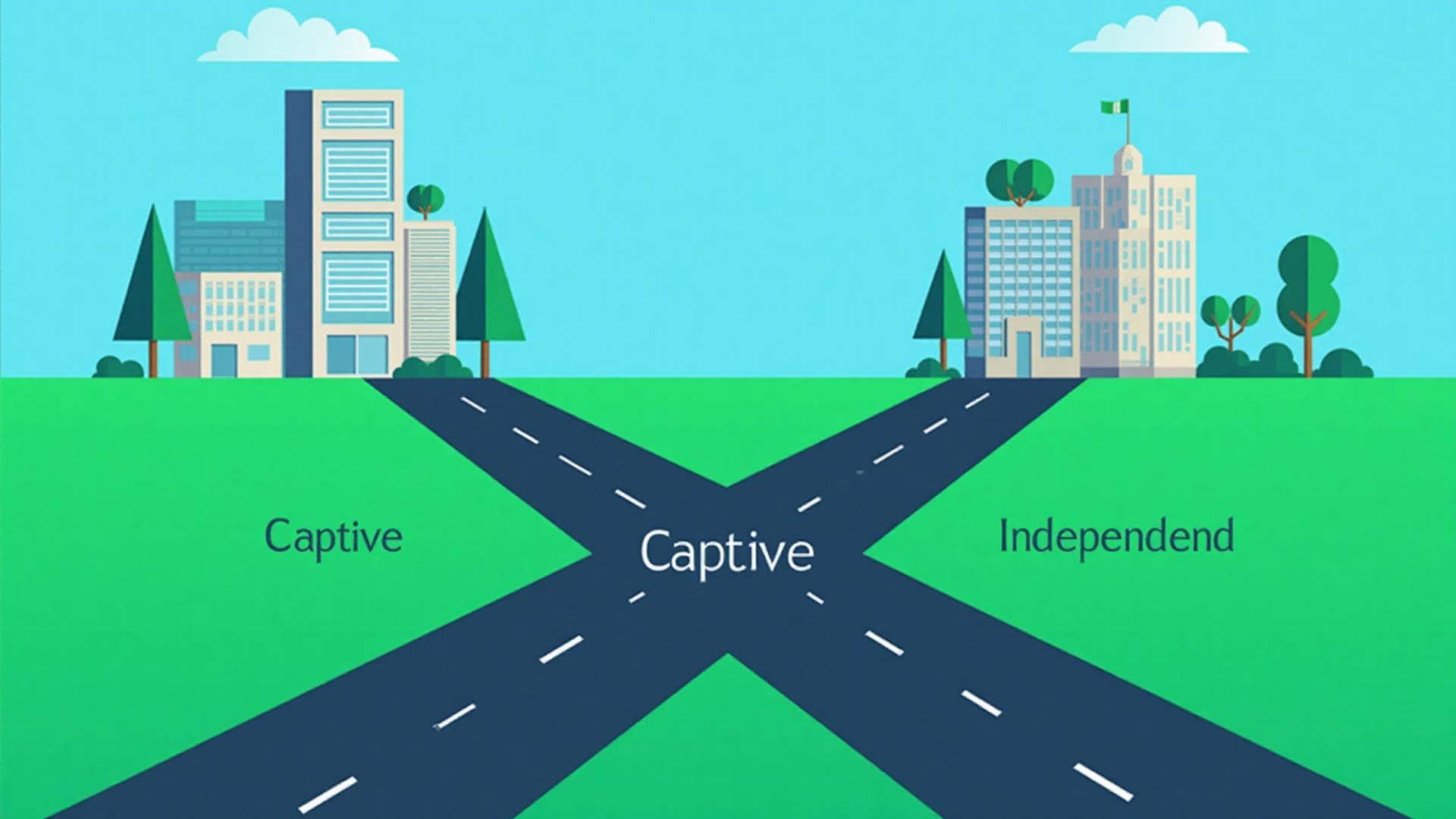
A captive insurance agent works exclusively for one insurance company (like State Farm or Allstate), while an independent agent can sell products from multiple carriers. Both paths offer viable careers, but they differ significantly in flexibility, income potential, and business ownership.
Key Takeaways
- Captive agents represent one company; independent agents work with many
- Captive offers structure and brand recognition; independent offers flexibility and higher income potential
- Independent agents own their book of business; captive agents typically don't
- Best for beginners who want support: Captive (short-term), Independent with strong IMO (long-term)
- Most high-earning agents eventually go independent
Quick Comparison
| Factor | Captive Agent | Independent Agent |
|---|---|---|
| Carriers | One company | Multiple carriers |
| Commission rate | Lower (40-70%) | Higher (80-110%+) |
| Product flexibility | Limited | Extensive |
| Book ownership | Company owns | You own |
| Brand support | Strong | Variable |
| Training | Company-provided | IMO-provided |
| Startup costs | Low to none | Low |
| Income ceiling | Moderate | Unlimited |
What Is a Captive Insurance Agent?
Captive agents work exclusively for one insurance company. They can only sell that company's products.
Common Captive Companies
Life & Health:
- Aflac
- Colonial Penn
- American Income Life
- Bankers Life
- New York Life
Property & Casualty:
- State Farm
- Allstate
- Farmers Insurance
- American Family
What Is an Independent Insurance Agent?
Independent agents aren't tied to one company. They can sell products from any carrier they're appointed with.
The Role of an IMO
Most independent agents partner with an IMO (Independent Marketing Organization) that provides:
- Appointments with multiple carriers
- Training and support
- Lead programs
- Technology and tools
- Higher commission rates through volume contracts
Detailed Comparison by Category
Income Potential
Captive:
- Lower commission rates
- May include base salary or draw
- Production bonuses
- Income ceiling tied to company structure
- Typical range: $40,000-$100,000
Independent:
- Higher commission rates
- No salary (commission-only)
- Unlimited income potential
- Ownership of renewal income
- Top agents: $150,000-$500,000+
Winner: Independent (for income ceiling). Captive (for income stability at start).
Business Ownership
Captive:
- Book of business typically owned by company
- If you leave, clients stay with company
- Limited equity building
Independent:
- You own your book of business
- Can sell your book when you retire
- Build transferable equity
- True business ownership
Winner: Independent
Who Should Choose Captive?
Consider captive if you:
✅ Want maximum structure while learning
✅ Value brand name recognition
✅ Need salary/benefits during ramp-up
✅ Want clear expectations and oversight
✅ Are testing whether insurance is right for you
Who Should Choose Independent?
Consider independent if you:
✅ Want maximum income potential
✅ Value flexibility and autonomy
✅ Want to own a real business
✅ Are comfortable with commission-only
✅ Have sales experience or self-discipline
✅ Want to work remotely
The Bottom Line
Captive agents trade income potential and ownership for structure and brand support. Independent agents trade security for freedom and unlimited upside. Also compare telesales vs face-to-face selling models, and for a specific comparison with The Price Group, read TPG vs Captive Insurance Agencies.
Most agents who pursue insurance long-term eventually go independent -the math simply favors it. But starting captive isn't wrong if you need the structure.
What matters most isn't which model you choose initially. It's whether you're willing to learn, work consistently, and help people with their insurance needs.
Frequently Asked Questions
What is the difference between a captive and independent insurance agent?
A captive agent works exclusively for one insurance company (like State Farm, Allstate, or Farmers) and can only sell that company's products. An independent agent isn't tied to any single company and can sell policies from multiple carriers through an IMO/FMO. Captive agents often receive salary/benefits but earn lower commissions. Independent agents work on commission-only but have higher earning potential and the freedom to shop carriers for the best fit for each client.
Which makes more money: captive or independent agents?
Top independent agents generally out-earn top captive agents because of higher commission rates and the ability to place business with the highest-paying carriers. However, captive agents often have more stable income early on due to salaries and guaranteed lead flow. A captive agent might earn $50,000-$80,000 in their first year with less risk. An independent agent might earn $40,000-$120,000+ in their first year depending on effort. Long-term, independent agents building their own book have virtually unlimited income potential.
Do independent agents own their book of business?
Yes, independent agents typically own their book of business and can sell it or take it with them if they change IMOs, subject to the vesting and release terms in your agreement. This is why it pays to understand what's in your IMO contract before you sign. This is a major advantage over captive positions where the insurance company owns the client relationships. Your book of business becomes an asset -a portfolio of clients paying renewal premiums that generates passive income and has real monetary value. This makes independent agents true business owners, not just employees.
Is it harder to start as an independent agent?
Starting as an independent agent requires more self-motivation and business skills since you don't have a corporate structure providing everything. You need to source leads, manage your own schedule, and handle the ups and downs of commission-only income. However, the right IMO provides training, support, and lead programs that bridge this gap. Many argue it's actually easier because you can offer the best solution from multiple carriers rather than trying to fit every client into one company's products.
Can you switch from captive to independent (or vice versa)?
Yes, agents switch between captive and independent regularly. If you're captive and want to go independent, review your contract for non-compete clauses and restrictions on contacting existing clients. Most captive contracts prevent you from soliciting your former clients for 1-2 years. Going from independent to captive is less common but possible -though you'd be giving up carrier flexibility for a salary and benefits. Many agents start captive to learn the basics, then go independent once they have confidence and skills.